


Effective Tips to Keep Your Sink Drain Clean
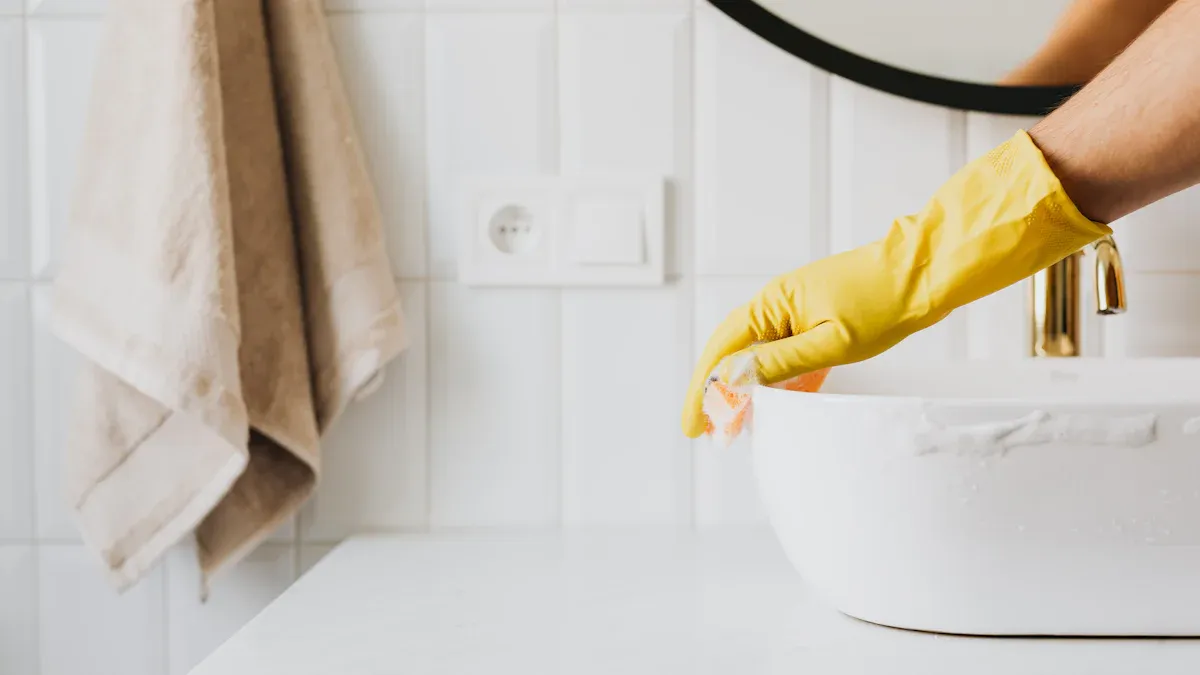
Keeping your Sink drain clean is more important than you might think. It prevents clogs that can disrupt your daily routine and stops unpleasant odors from taking over your kitchen or bathroom. Regular maintenance also helps extend the life of your pipes while keeping your home more hygienic and functional.
Key Takeaways
- Regularly clean your sink drain to prevent clogs and odors. Use baking soda and vinegar for a natural cleaning solution.
- Avoid pouring grease, oil, or fats down the drain. Instead, collect them in a container and dispose of them in the trash.
- Use a mesh drain strainer to catch food scraps and hair. This simple tool can prevent many clogs and keep your drain clear.
Preparation Before Cleaning Your Sink Drain
Before diving into cleaning your sink drain, it’s important to get everything ready. A little preparation can make the process smoother and more effective.
Gather Essential Tools and Supplies
Start by collecting the tools and supplies you’ll need. You don’t want to stop halfway through because you’re missing something! Here’s a quick list:
- Baking soda and vinegar (your natural cleaning duo).
- A plunger or drain snake for tougher clogs.
- Rubber gloves to protect your hands.
- A flashlight to help you see inside the drain.
- A bucket or bowl to catch any water or debris.
Having these items on hand will save you time and frustration.
Inspect the Sink Drain for Visible Debris or Issues
Take a close look at your sink drain. Shine a flashlight down the opening to check for any visible debris, like food scraps or hair. If you spot anything, use gloves or a small tool to remove it carefully. Also, look for signs of damage, like cracks or leaks, which might need professional attention. This quick inspection can help you avoid bigger problems later.
Take Necessary Safety Precautions
Safety first! Always wear gloves to protect your hands from germs and sharp objects. If you’re using tools like a drain snake, handle them carefully to avoid injury. Avoid using boiling water if your pipes are made of plastic, as it could cause damage. Taking these precautions ensures you can clean your sink drain safely and effectively.
Pro Tip: Keep a towel or rag nearby to wipe up any spills or messes during the process.
Step-by-Step Guide to Cleaning Your Sink Drain
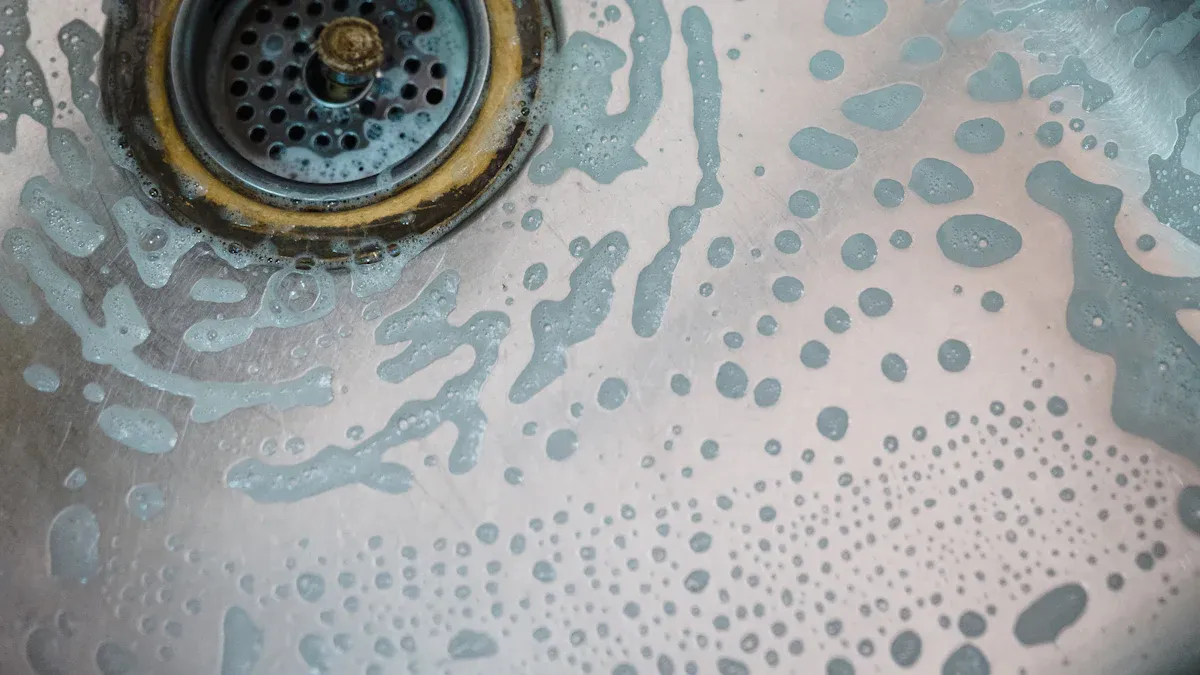
Cleaning your sink drain doesn’t have to be a daunting task. With the right steps, you can keep it clear and functional without breaking a sweat. Here’s how you can do it:
Clean with Baking Soda and Vinegar
Baking soda and vinegar are a powerful duo for cleaning your sink drain. They’re natural, safe, and effective. Here’s what you need to do:
- Pour half a cup of baking soda directly into the drain.
- Follow it with half a cup of white vinegar. You’ll notice some fizzing—don’t worry, that’s the reaction working to break down grime and debris.
- Let the mixture sit for about 15 minutes.
- Rinse it all away with hot water.
Pro Tip: If you want an extra boost, cover the drain with a plug or cloth while the mixture works its magic. This traps the reaction inside the pipe for better results.
This method is great for regular maintenance and tackling minor clogs.
Use Tools Like Plungers or Drain Snakes
Sometimes, baking soda and vinegar aren’t enough. For tougher clogs, you’ll need tools like a plunger or a drain snake. Here’s how to use them:
- Plunger: Place the plunger over the drain and push down firmly. Pull up quickly to create suction. Repeat this a few times to dislodge the clog.
- Drain Snake: Insert the snake into the drain and twist it to grab onto debris. Slowly pull it out, and you’ll likely see the culprit causing the blockage.
Note: Always clean your tools after use to prevent spreading germs or odors.
These tools are lifesavers when dealing with stubborn clogs in your sink drain.
Flush the Sink Drain with Boiling Water
Boiling water is one of the simplest ways to keep your sink drain clear. It helps dissolve grease and flushes away small debris. Here’s how to do it:
- Boil a kettle or pot of water.
- Slowly pour the boiling water down the drain in two or three stages. This allows the hot water to work its way through the pipes.
Caution: If your pipes are plastic, avoid using boiling water as it could cause damage. Use hot water instead.
Regularly flushing your sink drain with boiling water can prevent buildup and keep it running smoothly.
Preventative Measures to Keep Your Sink Drain Clear
Keeping your sink drain clear doesn’t have to be a hassle. A few simple habits can go a long way in preventing clogs and keeping things running smoothly. Let’s dive into some easy preventative measures you can start using today.
Avoid Pouring Grease, Oil, or Fats Down the Drain
One of the biggest culprits behind clogged drains is grease. When you pour grease, oil, or fats down the sink, they cool and solidify in your pipes. Over time, this creates stubborn blockages that are tough to remove. Instead, let grease cool in a container, then toss it in the trash.
Quick Tip: Keep an empty jar or can near your sink to collect cooking grease. Once it’s full, you can safely dispose of it.
By keeping grease out of your sink drain, you’ll save yourself from future headaches.
Use a Mesh Drain Strainer to Catch Debris
A mesh drain strainer is a small but mighty tool. It sits over your drain and catches food scraps, hair, and other debris before they can cause problems. You can find these strainers at most hardware or home goods stores, and they’re super easy to use.
Make it a habit to empty the strainer regularly. A quick rinse under running water is usually all it takes to keep it clean and ready to use again. This simple step can prevent clogs and keep your sink drain clear.
Perform Weekly Hot Water Flushes
Hot water flushes are a quick and effective way to maintain your sink drain. Once a week, boil a pot of water and pour it slowly down the drain. The hot water helps dissolve grease and washes away small particles before they can build up.
Caution: If your pipes are plastic, use hot water instead of boiling water to avoid damage.
This weekly habit takes just a few minutes but can make a big difference in keeping your sink drain in top shape.
Treat Drains with Biological Cleaners Periodically
Biological cleaners are a great option for maintaining your sink drain. These cleaners use natural enzymes to break down organic matter like food and grease. They’re safe for your pipes and the environment, making them a smart choice for regular maintenance.
Follow the instructions on the cleaner’s label for the best results. Using a biological cleaner once a month can help prevent clogs and keep your drain smelling fresh.
Pro Tip: Avoid chemical drain cleaners, as they can damage your pipes over time. Stick to natural solutions for a safer, more effective approach.
By adopting these preventative measures, you’ll keep your sink drain clear and avoid costly repairs down the road.
Common Mistakes to Avoid When Maintaining Your Sink Drain
Even with the best intentions, you might unknowingly make mistakes that harm your sink drain. Let’s look at some common pitfalls and how to avoid them.
Using Harsh Chemicals That Can Damage Pipes
It’s tempting to grab a chemical drain cleaner when faced with a clog. These products promise quick results, but they can do more harm than good. Harsh chemicals can corrode your pipes over time, especially if they’re made of plastic or older materials. This leads to leaks and costly repairs.
Instead, stick to natural solutions like baking soda and vinegar. They’re just as effective for regular maintenance and won’t harm your pipes. If you need something stronger, consider using a biological cleaner or calling a professional plumber.
Tip: Always read product labels carefully. If a cleaner warns about potential pipe damage, it’s best to avoid it.
Ignoring Early Warning Signs of Clogs
Small issues often snowball into bigger problems. If you notice water draining slowly, gurgling sounds, or unpleasant odors, don’t ignore them. These are early signs of a clog forming in your drain.
Address these issues right away. A quick flush with hot water or a session with a plunger can often resolve minor problems. Waiting too long could result in a complete blockage, which is much harder to fix.
Skipping Regular Maintenance Routines
Neglecting your sink drain is one of the biggest mistakes you can make. Without regular care, grease, food particles, and debris build up over time, leading to clogs and odors.
Make maintenance a habit. Perform weekly hot water flushes, use a drain strainer, and treat your drain with biological cleaners monthly. These small steps keep your sink drain in top condition and save you from expensive repairs down the line.
Remember: A little effort now can prevent a lot of trouble later. Don’t skip your maintenance routine!
Keeping your sink drain clean isn’t just about avoiding clogs—it’s about maintaining a healthier, more functional home. By following these simple tips, you’ll save time, money, and stress. Start small, stay consistent, and make drain care part of your routine.
Remember: A little effort today prevents big problems tomorrow! 😊
FAQ
How often should I clean my sink drain?
You should clean your sink drain weekly. Regular maintenance prevents clogs, odors, and buildup, keeping your drain functional and hygienic.
Can I use boiling water for all types of pipes?
No, avoid boiling water for plastic pipes. Use hot water instead to prevent damage. Boiling water works best for metal pipes.
What’s the best way to remove a stubborn clog?
Use a drain snake or plunger. These tools effectively dislodge tough clogs without damaging your pipes. Always clean the tools after use.
Tip: If the clog persists, consider calling a plumber for professional help.